



Pet Toys & Supplies
  • Paws Up for Playtime! Discover Toys That Keep Tails Wagging.
  • Shop all Toys

  • Caring for Your Pet, Simplified – Quality Supplies for Every Pet Parent!
  • Shop all Pet Supplies

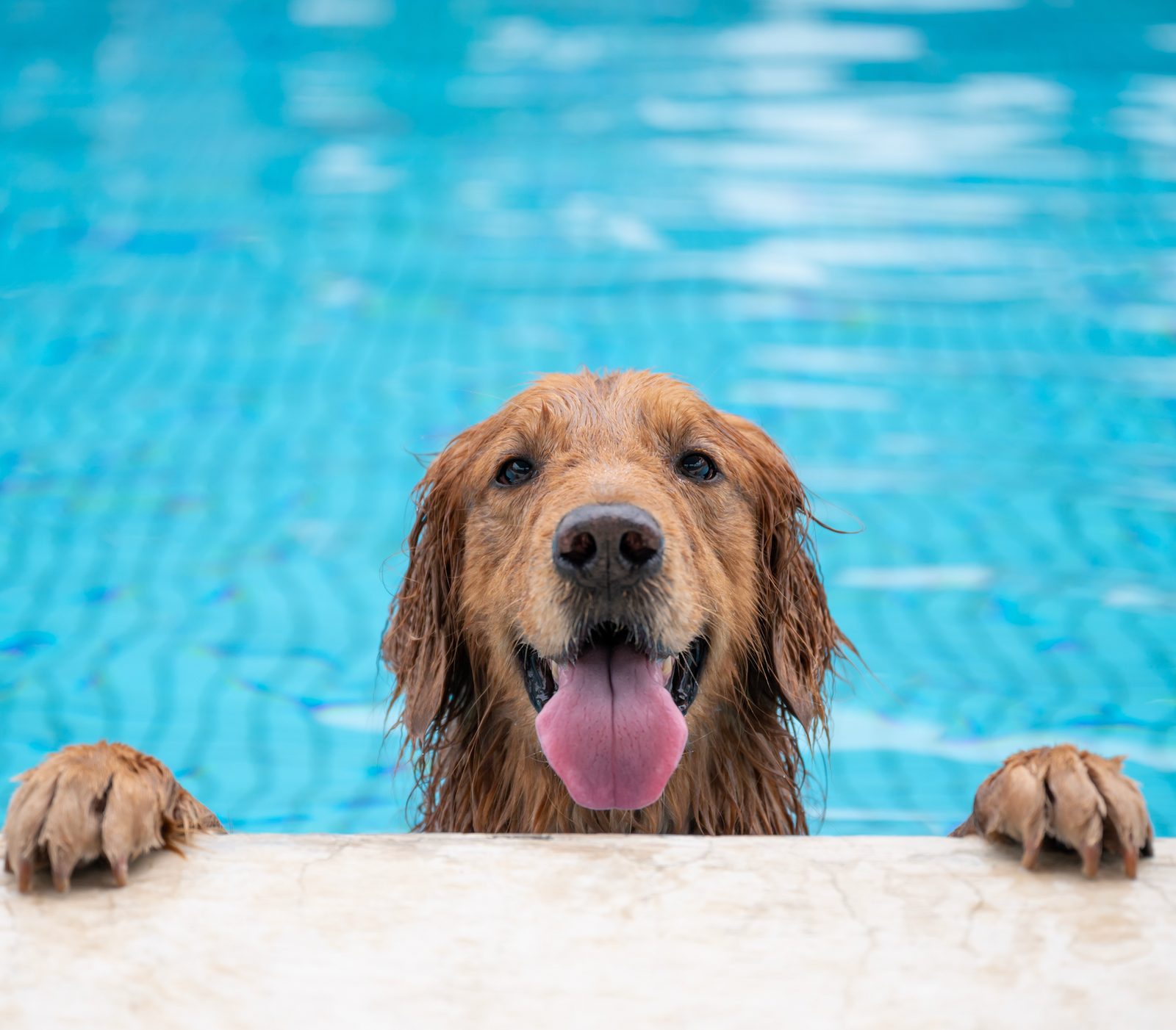
  • Keeping Your Dog Safe in the Water: A Comprehensive Guide for Summer Swimming

    Keeping Your Dog Safe in the Water: A Comprehensive Guide for Summer Swimming

    As summer heats up, many dog owners look forward to sharing splashy adventures with their furry friends. Swimming offers pups low-impact exercise, mental stimulation, and a refreshing way to beat the heat; However, it also introduces risks if you’re unprepared. This guide dives deeper into everything you need to know to ensure every canine aquatic outing is safe, healthy, and fun.

    1. Know Your Dog’s Swimming Profile

    Just like people, dogs have varying comfort levels and abilities in the water.

    • Breed and Build Matters: Retrievers, spaniels, and other water breeds typically paddle confidently, while brachycephalic (flat-faced) breeds like Bulldogs can struggle to keep their airways clear. Long-bodied, short-legged breeds (e.g., Dachshunds) may tire quickly.
    • Personality and Experience: Some dogs leap in headfirst; others are wary of even a shallow puddle. Introduce water slowly, offering treats and praise to build positive associations.
    • Health Considerations: Arthritis, hip dysplasia, and other joint issues can limit endurance. Before extensive swim sessions, check with your veterinarian whether swimming is appropriate for your dog’s age and medical history.

    Quick Tip: Carry a small towel and encourage your dog to stand on it when exiting the water. This creates a dry, non-slippery spot for their paws and helps them feel steady.


    2. Select Safe and Suitable Swimming Locations

    Not all bodies of water are created equal. Plan ahead and choose spots tailored to dog safety.

    Factor

    What to Look For

    Why It Matters

    Water Quality

    Clear appearance, absence of scum or foul odor

    Prevents ingestion of toxins

    Current & Tides

    Gentle flow, no sudden drop-offs near shore

    Reduces risk of dogs being pulled

    Entry & Exit Points

    Gradual slopes, wide sandy beaches, pool steps

    Easier for dogs to get in and out

    Facilities

    Shade, freshwater rinse stations, lifeguards

    Enhances comfort and emergency aid

    Quick Tip: If you’re unsure about water cleanliness, float a leaf or stick nearby and watch for algal residue on the surface. A slick green film indicates harmful blue-green algae, which can sicken pets.

    3. Equip Your Dog with the Right Gear

    Proper equipment enhances safety and confidence, especially for novice canine swimmers.

    • Canine Life Jackets: Choose a vest with buoyant panels along the back and a sturdy grab handle. Test fit on land first: you should be able to slide two fingers between the dog’s body and the jacket straps.
    • Floating Toys & Lines: A long floating line (10–15 feet) allows your dog to explore farther without drifting into danger. Use bright-colored, buoyant toys for games, these also help your dog practice fetch in shallow water before progressing to deeper areas.
    • Protective Paw Wear: Some dogs develop cuts or abrasions on rocky shores. Waterproof booties or paw wax can help shield pads and provide extra traction on slippery surfaces.

    4. Master Supervision and Swim Duration

    Even the best swimmers tire and face unexpected challenges.

    • Stay Within Reach: Whether at a crowded beach or a backyard pool, keep your dog no farther than an arm’s length away. Position yourself between hazards (boats, waves) and your pet.
    • Teach Recall in Water: Before letting your dog roam, practice off-leash recall on land. Then, in shallow water, call them back with an enthusiastic cue (“Come, splasher!”) and reward heavily when they return.
    • Rotate Swim and Rest: Alternate 10–15 minutes of paddling with breaks on dry land. Provide fresh, cool drinking water to prevent dogs from gulping lake or pool water, which can cause stomach upset.

    5. Monitor Environmental and Health Risks

    Water fun can come with seasonal and situational dangers.

    • Heatstroke Prevention: Dogs cool primarily through panting; water on their fur helps, but direct sun and hot air can still overwhelm them. Seek shaded spots, limit peak-sun swims (11 AM–3 PM), and watch for heavy panting, drooling, or uncoordinated movements.
    • Ear and Skin Care: Moisture left in ear canals can lead to otitis externa (“swimmer’s ear”). After each swim, gently pat ears dry and consider a veterinarian-recommended ear-drying solution. Rinse off chlorine, salt, and debris, then fully dry undercoat to prevent hot spots and fungal growth.
    • Ingestion Dangers: Dogs may gulp water when anxious or chasing toys. Lake or pond water can contain harmful bacteria (e.g., Leptospira) or parasites (e.g., Giardia). Encourage small sips of clean drinking water instead of letting them chug from the source.

    6. Train Exit Strategies and Safe Returns

    Knowing how to leave the water is as crucial as entering it.

    1. Practice Exits Early: At home pool or beach visits, guide your dog to the exit ramps or sloped shores. Place treats on each step so they learn the route.
    2. Install Dog-Friendly Exits: In pools without built-in steps, add pet ramps designed for traction. On boats, equip low-side boarding platforms so your dog can climb aboard without lifting.
    3. Visual Markers: Tie bright flags or buoys near chosen exit points in open water. In murky conditions, these serve as beacons that help your dog navigate back.

    7. Prepare for Emergencies

    Even the most seasoned swimmer can encounter trouble.

    • First-Aid Kit Essentials: Pack gauze pads, self-adhesive bandages, antiseptic wipes, styptic powder, tweezers (for splinters), and a leash.
    • Learn Pet CPR & Water Rescue: Many community centers and animal welfare groups offer hands-on courses. Knowing how to perform chest compressions and rescue breaths can be lifesaving.
    • Emergency Contacts: Program your vet’s number and the nearest 24/7 animal hospital into your phone. Keep a paper copy in your first-aid kit in case your phone loses power or signal.

    8. Pack the Perfect Pool-Day or Beach-Day Treats

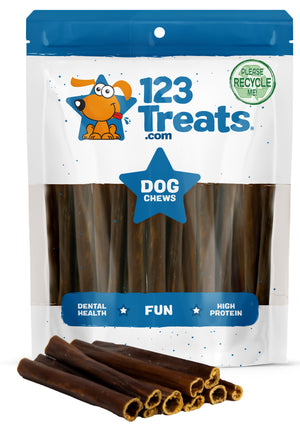
      Fuel playtime and reward good water manners with these top picks, just toss them in your bag and all ready to go!

      • Chicken Feet
        Crunchy, high-protein chews loaded with glucosamine and chondroitin for joint support and a satisfying nibble. 
      • Beef Lung Tips
        Lightweight, airy treats that are easy to grab on the go and ideal for quick training cues between swims.
      • Lamb & Beef Lungs Treats
        A protein-rich, easily digestible chew perfect for rewarding calm pool entry or gentle beach strolls.
      • Beef Cheek Rolls
        Tasty, long-lasting rolls that help clean teeth and keep pups entertained during rest breaks. 
      • Collagen Sticks
        Wholesome, bendable chews that support skin and joint health. Great for soothing a tired pup after a sunny swim.

      Keep these in a waterproof pouch or treat bag so you can easily reward your dog for good recall, calm behavior around water, or just for staying hydrated and happy throughout your summer adventures!

      Enjoy Every Splash Safely!

      With thoughtful preparation, assessing your dog’s abilities, choosing appropriate locations, using the right gear, supervising closely, and packing the right treats, you’ll turn summer swimming into one of your dog’s favorite pastimes. Here’s to endless tail wags, healthy hearts, and safe, splash-filled memories under the sun!