
Pet Toys & Supplies
  • Paws Up for Playtime! Discover Toys That Keep Tails Wagging.
  • Shop all Toys

  • Caring for Your Pet, Simplified – Quality Supplies for Every Pet Parent!
  • Shop all Pet Supplies

  • How to Store Dog Treats and Chews

    How to Store Dog Treats and Chews

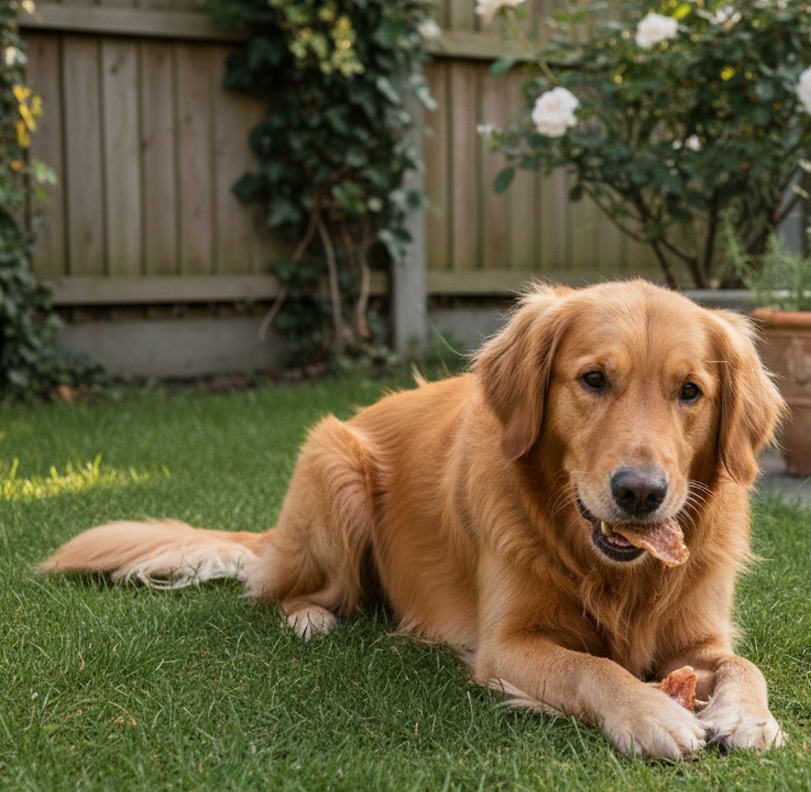
    Welcome, dedicated dog parents! Have you ever found an ancient dog treat under the sofa cushions and wondered if it had gone bad enough to deserve its own science experiment? You’re not alone. Storing dog treats properly isn’t just about freshness, it’s about keeping your pet safe and healthy while making sure every reward tastes as good as the first one. Let’s take a deep dive into how to store dog treats the right way, how long they last, and what warning signs to watch for.

    Why Proper Storage Matters

    Dog treats and chews can go bad just like human food. Exposure to air, light, heat, or moisture can cause spoilage or mold growth, loss of nutrients and flavor, texture changes (stale, soggy, or rock-hard), and even bacterial growth, especially in high-protein treats or chews. Poorly stored treats can make your dog sick. So, by keeping treats fresh, you’re not just saving money, you are also protecting your furry friend’s health.

    Understanding Different Treat Types

    Each type of treat has unique storage needs based on its ingredients and moisture content.

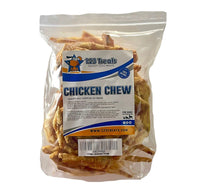
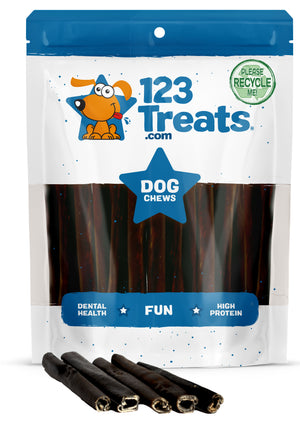
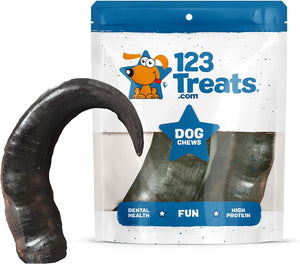
    Natural Chews & Bones (like bully sticks, pig ears, or kneecaps)
    These are minimally processed and can vary in texture and fat content. If stored improperly, they can become greasy, attract insects, or grow bacteria.
    Storage Tip: Keep them in a well-ventilated, cool, dry place. Avoid sealing them completely airtight if there’s any residual moisture inside. This can trap humidity and cause spoilage.

    Crunchy Treats
    Think biscuits, cookies, or baked snacks. They have low moisture and a long shelf life but can absorb humidity and lose their crunch.
    Storage Tip: Keep them in airtight containers in a cool, dry cupboard. Avoid the fridge, as condensation can make them soft.

    Soft or Moist Treats
    These are chewy, flavorful treats that dogs love. However, their higher moisture content makes them prone to mold and spoilage once opened.
    Storage Tip: Seal tightly after each use. Refrigerate after opening if recommended on the package, and use within a few weeks.

    Freeze-Dried or Dehydrated Treats
    Lightweight and nutrient-dense, these treats are naturally preserved by removing moisture. But once the package is opened, they can quickly absorb humidity from the air.
    Storage Tip: Reseal the bag immediately after each use or transfer to an airtight jar with a moisture absorber packet.


    Best Containers for Dog Treat Storage

    Choosing the right container makes all the difference. Airtight containers (glass, stainless steel, or BPA-free plastic) keep air and moisture out. Vacuum-sealed bags are great for bulk treats or long-term storage. Silica gel or desiccant packets can be added to absorb excess moisture (just keep them away from your dog!). Opaque containers block light, protecting treats from nutrient degradation.
    Tip: For treats you use daily, keep a small jar on the counter. Store the bulk supply in a sealed container in your pantry and refill as needed.

    Temperature and Location Matter

    Where you keep your dog treats can greatly affect freshness and safety. Cool and dry locations are best. The ideal temperature range is between 10–20°C (50–68°F). Avoid areas near stoves, windows, or heat vents. Keep treats off the floor to prevent moisture absorption and pest issues. Sunlight can cause fats and oils in treats to turn rancid, so a dark cupboard or pantry is perfect. For homemade treats or high-protein chews, refrigeration extends freshness. You can also freeze soft treats or bones to prolong shelf life. Just thaw before your dog's next serving.

    Warning Signs Treats Have Gone Bad

    If you notice any of these, it’s best to throw the treats out: mold, discoloration, or an oily film; sour or rancid odor; sticky or unusually soft texture (for crunchy treats); or your dog suddenly refuses to eat them. Even if it looks “just a little off,” don’t risk it. Spoiled treats can cause stomach upset or bacterial infections.

    Encouraging Hydration for Chew Safety

    If your dog loves bones, bully sticks, or dehydrated chews, hydration plays a big role in digestion and urinary health. Always provide fresh water at all times, limit chew sessions to 15–20 minutes, and store half-eaten chews in a clean, dry container (not back in the original bag).

    Finally, Keep It Fresh, Keep It Safe

    Proper storage isn’t just about avoiding waste, it is about ensuring every bite is safe, nutritious, and enjoyable for your best friend. By using airtight containers, choosing the right location, and keeping an eye on expiration dates, you’ll make sure those treats stay as tail-wag-worthy as ever.