
Pet Toys & Supplies
  • Paws Up for Playtime! Discover Toys That Keep Tails Wagging.
  • Shop all Toys

  • Caring for Your Pet, Simplified – Quality Supplies for Every Pet Parent!
  • Shop all Pet Supplies

  • Why Your Dog’s Breath Gets Worse in Winter (And What You Can Do About It)

    Why Your Dog’s Breath Gets Worse in Winter (And What You Can Do About It)

    If your dog’s breath seems stronger during the colder months, you’re not imagining it. Many pet parents notice that winter brings more noticeable odor — and it’s not just because we’re spending more time indoors.

    There are a few simple reasons why your dog’s breath can get worse in winter — and fortunately, there are easy ways to improve it.

    Why Winter Makes Dog Breath Worse

    Less Natural Chewing Outdoors

    During warmer months, dogs tend to chew more naturally with sticks, toys outside, longer play sessions. In winter, outdoor time often decreases, which means less natural abrasion on the teeth.

    More Indoor Time Means More Noticeable Odor

    When windows are closed and everyone is inside more often, smells linger. What might not have been obvious in summer becomes very noticeable in winter.

    Dry Indoor Air

    Heating systems dry out indoor air, which can contribute to dry mouth in both humans and dogs. Saliva helps wash away bacteria. When saliva flow is reduced, odor-causing bacteria can multiply more easily.

    Plaque Builds Up Faster Than You Think

    Plaque begins forming on teeth within hours after eating. If it’s not disrupted regularly, it hardens into tartar, that’s when odor becomes stronger and harder to manage.

    Signs It’s More Than Just “Dog Breath”

    A mild odor can be normal, but watch for:

    • Thick yellow or brown buildup on teeth
    • Red or swollen gums
    • Reluctance to chew
    • Drooling more than usual
    • Pawing at the mouth

    If you notice these signs, it’s worth speaking with your veterinarian.

    What You Can Do at Home

    The good news is that small daily habits make a big difference.

    Encourage Safe, Regular Chewing

    Chewing is one of the most natural ways dogs help maintain their dental health. Long-lasting, single-ingredient chews can help reduce plaque buildup by mechanically scraping teeth as your dog gnaws.

    Natural Chews

    Look for chews that are free from artificial ingredients, properly cleaned and prepared, and sized appropriately for your dog.

    Maintain a Consistent Routine

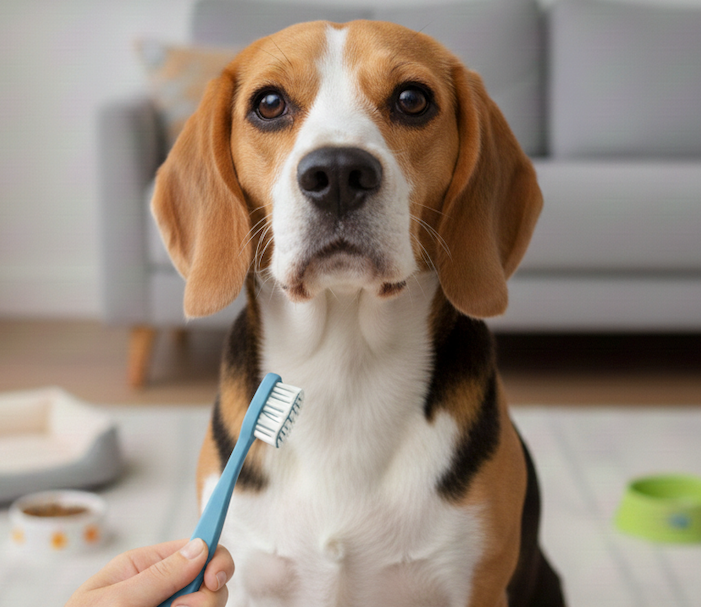
    Even if brushing isn’t realistic every day, consistency matters. A combination of brushing, dental-friendly chews, and regular vet checkups creates the best results.

    Choose Simpler Ingredients

    Single-ingredient chews can be a great alternative to heavily processed options. They tend to be easier to digest and often have fewer additives that contribute to lingering odor.

    A Simple Winter Habit That Helps

    Adding a long-lasting natural chew to your dog’s routine a few times a week can help:

    • Support cleaner teeth
    • Reduce plaque buildup
    • Keep your dog mentally stimulated during cold weather
    • Minimize strong winter breath

    Many pet parents find that when chewing becomes consistent again, breath improves noticeably.

    Fresh Breath Starts With Daily Habits

    Winter is actually the perfect time to focus on dental health. Since February is National Pet Dental Health Month, it’s a helpful reminder that small preventive steps now can prevent bigger issues later.

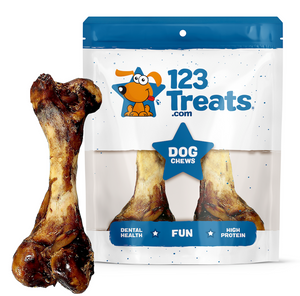
    If you’re looking for a simple, natural way to support your dog’s oral health this season, thoughtfully prepared chews can make a meaningful difference. We carefully clean, trim, and slow-roast our single-ingredient Hambone to create a long-lasting chew, something both dogs and their owners can appreciate.

    Sometimes improving your dog’s breath isn’t about complicated routines. It’s about adding one consistent, natural habit that supports their health while giving them something they genuinely enjoy.