
Pet Toys & Supplies
  • Paws Up for Playtime! Discover Toys That Keep Tails Wagging.
  • Shop all Toys

  • Caring for Your Pet, Simplified – Quality Supplies for Every Pet Parent!
  • Shop all Pet Supplies

  • Dogs at Mealtime: A Fast Eater, a Slow Enjoyer, or a Professional Treat Hoarder?

    Dogs at Mealtime: A Fast Eater, a Slow Enjoyer, or a Professional Treat Hoarder?

    Every dog has a personality, and one of the easiest places to see it shine is around food. Some dogs gobble up their meals in seconds, others take their time savoring every bite, and a few treat every biscuit, chew, and tasty snack like a precious treasure. Whether your furry companion races through dinner, slowly enjoys a chew, or hides treats for later, their eating habits are full of character.

    From everyday meals to rewarding treats and satisfying chews, let us explore three familiar types of food loving dogs and discover what makes each one unique.

    1. The Fast Eater: Every Bite Is a Race

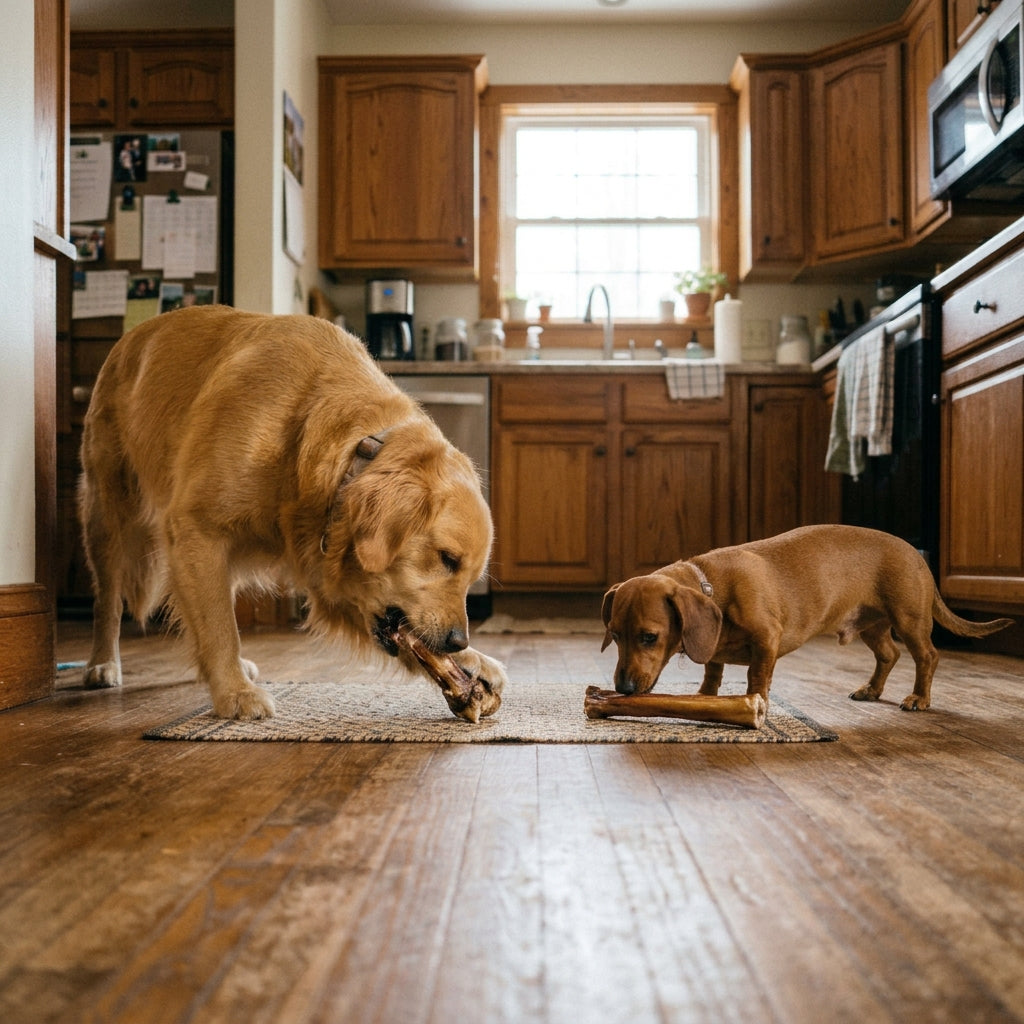
    You barely have time to put the food bowl down before your dog dives in. Within moments, dinner has disappeared, and your pup is already looking for something else to eat. Offer a treat or chew, and the excitement reaches a whole new level.

    Fast eaters often have big appetites and plenty of enthusiasm. Some dogs develop this habit from an early age, while others have learned to eat quickly when sharing space with other pets. For some, the simple sight of a favorite snack is enough to send their excitement into overdrive.

    However, eating too quickly can increase the risk of choking, vomiting, and digestive discomfort. Certain dogs are also susceptible to bloat, a serious medical emergency that requires immediate veterinary attention.

    Treats and chews deserve the same consideration as regular meals. Even an enthusiastic chewer needs time to work through a snack safely. Choose an appropriate size and texture for your dog's age, breed, chewing style, and health needs. Supervise chewing sessions and remove pieces that become small enough to swallow whole.

    For dogs who rush through meals, slow feeder bowls and food puzzles can encourage a more measured pace. When offering treats, reward calm behavior and avoid giving your dog a new chew that is too small or unsuitable for their chewing habits.

    The goal is to preserve their excitement while making every bite safer.

    2. The Slow Enjoyer: Savoring Every Mouthful

    Some dogs approach food as if they have nowhere else to be. They sniff their meals, take a few bites, and pause before returning for more. When it comes to treats and chews, these dogs can be equally relaxed, spending time enjoying the flavor, texture, and experience.

    A slow enjoyer may take several minutes to work through an appropriate chew or carefully nibble on a favorite treat. For these dogs, food is not always about satisfying hunger quickly. It can also be an enjoyable activity that provides stimulation and relaxation.

    Chewing can be a natural canine behavior, and suitable chews may help satisfy the urge to chew. Food puzzles and enrichment toys can also provide mental stimulation when used appropriately.

    Still, slow eating is not always a sign of a relaxed personality. A dog that suddenly loses interest in meals, drops food, struggles to chew, or refuses favorite treats may be experiencing dental pain, nausea, or another health concern.

    If you notice a sudden change in appetite or chewing behavior, contact your veterinarian.

    For the slow enjoyer, a comfortable feeding area, a consistent routine, and appropriately sized treats and chews can make snack time more enjoyable. Let them take their time, provided they are eating comfortably and safely.

    3. The Professional Treat Hoarder: Saving Every Treasure

    Every household seems to have one dog who believes treats are too valuable to eat immediately. Instead of enjoying a snack on the spot, this little collector carries it to a favorite corner, hides it beneath a blanket, or carefully tucks it away for later.

    Professional treat hoarders may do the same with chews. A new chew might be carried from room to room before being hidden in a bed or behind a cushion. Sometimes, the dog seems more interested in finding the perfect hiding place than actually enjoying the reward.

    This behavior can reflect natural canine instincts associated with storing valuable resources. Dogs may also hide food because they are not hungry, prefer eating in a quiet location, or simply enjoy the process of carrying and burying their treasures.

    While the habit can be entertaining, hidden treats and chews need a little supervision. Perishable snacks can spoil, and forgotten chews may collect dirt or become unsafe to eat. Check your dog's favorite hiding places regularly and discard anything that is dirty, damaged, or past its safe storage period.

    It is also important to watch for resource guarding. If your dog becomes tense, growls, or snaps when someone approaches a hidden treat or chew, avoid taking it by force. A qualified trainer or veterinary behavior professional can help you manage the behavior safely.

    For these furry collectors, treat time is about more than eating. It is a chance to explore, carry, stash, and enjoy something special at their own pace.

    Treats and Chews: Finding the Right Fit for Every Dog

    No matter which category your dog falls into, treats and chews can be a rewarding part of everyday life when chosen carefully.

    Treats are useful for training, reinforcing positive behavior, and creating enjoyable moments with your dog. Chews can provide an outlet for natural chewing instincts and offer enrichment, depending on the product and the individual dog.

    Here are a few things to consider when choosing them:

    Choose the right size. Treats and chews should be suitable for your dog's size and chewing habits. Avoid items that can be swallowed whole or become choking hazards.

    Consider the texture. Extremely hard chews, including some bones and antlers, can fracture teeth. Ask your veterinarian for recommendations that suit your dog's dental health and chewing style.

    Supervise chewing. No chew is completely risk free. Watch your dog during chewing sessions and remove items that break apart, become dangerously small, or show signs of damage.

    Keep treats balanced. Treats and chews contribute calories to your dog's daily intake. As a general guideline, treats should account for no more than about 10 percent of daily calories, with the remaining calories coming from a complete and balanced diet.

    Pay attention to ingredients. Select products from reputable manufacturers and avoid ingredients that are toxic to dogs, such as xylitol. Introduce new treats gradually and watch for digestive upset or other signs of intolerance.

    The best choice is not necessarily the longest lasting or most expensive option. It is one that suits your dog's needs and can be enjoyed as safely as possible.

    Can Your Dog Be All Three?

    Absolutely. Dogs are full of surprises, and their eating styles can change depending on the situation.

    Your dog might devour breakfast in record time, spend the afternoon slowly enjoying a chew, and then hide a special treat behind their favorite cushion. Another dog might savor every meal but become incredibly enthusiastic when a training reward appears.

    These behaviors can depend on hunger, excitement, the type of food, the environment, and individual preferences. Rather than putting your dog into just one category, use these observations to better understand what they enjoy and what helps them feel comfortable.

    Pay attention to how your dog handles different foods, whether they chew carefully, and whether their habits change over time. These small details can help you choose suitable enrichment activities, establish better routines, and recognize potential health concerns early.

    Final Thoughts: Every Bite Has a Story

    From enthusiastic meal gobblers to relaxed chew enthusiasts and clever treat collectors, every dog brings something different to the food bowl.

    Meals, treats, and chews are more than ways to satisfy hunger. They can support training, provide enrichment, encourage natural behaviors, and create positive moments between dogs and their families.

    The key is finding the right balance between enjoyment, nutrition, and safety. Offer suitable food, choose treats and chews thoughtfully, supervise chewing, and seek veterinary advice whenever eating habits change unexpectedly.

    So, take a closer look at your dog's next meal or snack. Do they finish everything in seconds, savor every mouthful, or save their favorite treasure for later?

    Whatever their style, understanding your dog's habits is one more way to celebrate the personality that makes them such a special part of your life.