



Pet Toys & Supplies
  • Paws Up for Playtime! Discover Toys That Keep Tails Wagging.
  • Shop all Toys

  • Caring for Your Pet, Simplified – Quality Supplies for Every Pet Parent!
  • Shop all Pet Supplies

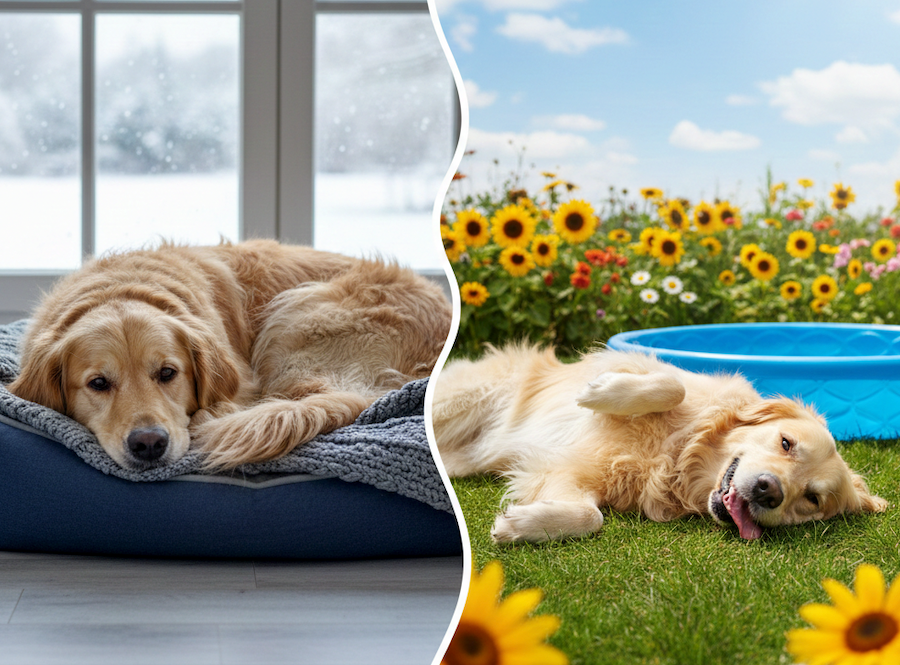
  • How a Dog’s Mood Changes in Winter vs. Summer

    How a Dog’s Mood Changes in Winter vs. Summer

    Just as people feel the shift of the seasons, dogs experience emotional and behavioral changes as temperatures rise or fall. While each dog has its own temperament, most dogs show clear differences in energy, social behavior, and overall mood when comparing the cold months of winter to the sunny days of summer. Understanding these seasonal mood shifts helps owners better support their pets’ health and happiness year-round.

    Winter: Calm, Cozy, and Sometimes a Little Blue

    Lower Energy Levels

    Shorter days and colder temperatures naturally encourage dogs to slow down. Many dogs become sleepier in the winter, spending more time resting and less time seeking playful activity. This isn’t necessarily a problem, it’s often a normal response to reduced daylight.

    Reduced Outdoor Motivation

    Even active dogs may dislike cold wind, icy surfaces, or wet snow. Reluctance to go outside can make walks shorter, leading to pent-up energy indoors. Dogs that love routine may find this disruption frustrating, which can affect their mood.

    Possible Seasonal Sadness

    Some dogs show signs that resemble seasonal affective disorder in humans. A lack of sunlight can lead to decreased enthusiasm during play, increased clinginess or restlessness, and a generally subdued demeanor. Light exposure plays a role in a dog’s behavior and internal rhythms, so winter darkness can subtly impact their emotional state.

    Increased Need for Comfort

    Winter often brings out a dog’s desire for warmth and closeness. Many dogs become more cuddly, seeking cozy blankets, warm laps, and indoor companionship. For anxious or senior dogs, the cold can also worsen joint stiffness, affecting mood and reducing activity.

    Summer: Playful, Social, and Sun-Charged

    Higher Energy and Enthusiasm

    With longer daylight hours and more opportunities for outdoor adventures, many dogs become more lively in summer. They may want to play more, explore more, and spend more time outside.

    Greater Social Behavior

    Warm weather brings outdoor activities, park visits, and more interaction with people and other dogs. This increased stimulation often boosts a dog’s mood, making them appear happier and more engaged.

    Heat Sensitivity and Irritability

    Despite the upbeat vibe of summer, excessive heat can cause discomfort. Dogs may pant heavily, become dehydrated, or show irritability or sluggishness. Dogs with thick coats, short snouts, or health issues may become cranky or lethargic in extreme heat, showing a dip in mood until they cool down.

    More Opportunities for Enrichment

    Swimming, hiking, car rides, and backyard play all enrich a dog’s world. These activities often lead to better behavior and a more balanced emotional state compared to the restrictive cold days of winter.

    Why Seasons Affect a Dog’s Mood

    Seasonal mood shifts come from a combination of daylight exposure, which affects hormones and sleep cycles; temperature changes, which influence comfort and physical activity; lifestyle differences, such as more or less time outdoors; and changes in social interaction, depending on family routines and weather. Dogs are sensitive to their environment, and seasons create noticeable changes in that environment.

    Helping Your Dog Through Both Seasons

    In Winter

    • Keep walks short but frequent to maintain stimulation

    • Provide indoor playtime or puzzle toys

    • Use cozy bedding and warm resting places

    • Consider safe dog jackets or boots for sensitive breeds

    • Increase indoor lights or allow more sun exposure when possible

    In Summer

    • Exercise during cooler parts of the day

    • Offer plenty of water and shade

    • Provide cooling mats or dog-safe frozen treats

    • Watch for signs of heat exhaustion

    • Take advantage of outdoor play while avoiding overexertion


    Dogs may not talk, but they express their seasonal moods through shifts in energy, behavior, and comfort needs. Winter often brings calmness and extra cuddles, while summer sparks excitement and social engagement. By paying attention to these changes and adjusting routines accordingly, owners can help their dogs feel their best no matter the season.