
Pet Toys & Supplies
  • Paws Up for Playtime! Discover Toys That Keep Tails Wagging.
  • Shop all Toys

  • Caring for Your Pet, Simplified – Quality Supplies for Every Pet Parent!
  • Shop all Pet Supplies

  • Potty Training Your Puppy: Tips for Building Good Habits Early

    Potty Training Your Puppy: Tips for Building Good Habits Early

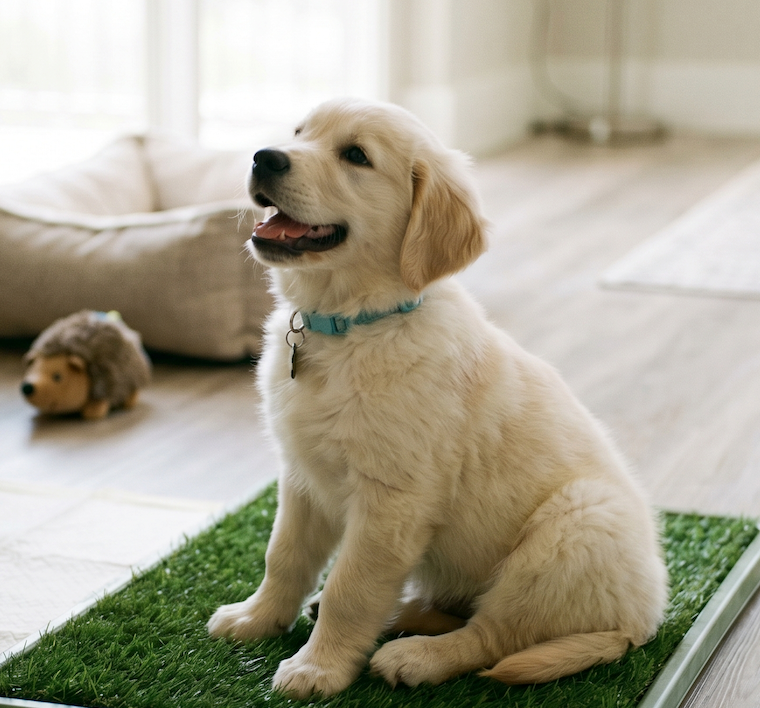
    Bringing home a puppy is exciting, but the first few weeks can also be messy. Potty training is one of the earliest lessons your puppy will learn, and building a routine from the beginning can make life much easier for both of you.

    The good news is that puppies learn quickly when training is consistent, positive, and patient.

    Create a Daily Schedule

    Young puppies do best with structure. Taking them outside at regular times throughout the day helps them understand where they should go and reduces accidents indoors.

    Most puppies should be taken outside:

    • Right after waking up
    • After meals
    • After play sessions
    • Before bedtime
    • Every couple of hours during the day

    The younger the puppy, the more frequent the bathroom breaks should be. Staying consistent with timing helps establish reliable habits much faster.

    Pick One Potty Spot

    Choose a specific outdoor area and bring your puppy to the same location every time. Puppies often learn through scent and repetition, so returning to the same spot helps reinforce the behavior.

    Try to keep the visit calm and focused. Once your puppy goes potty outside, reward them immediately with praise or a small treat.

    Positive Reinforcement Works Best

    Rewarding good behavior is one of the most effective ways to potty train a puppy. Small treats given right after they finish outside help them connect the reward with the correct action.

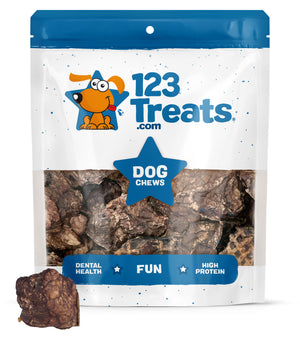
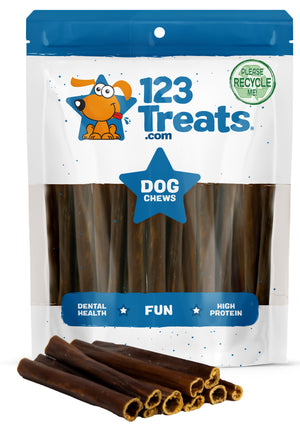
    Many puppy owners prefer soft, natural treats that can easily be broken into small pieces during training. Products like Beef Esophagus Chews, Lamb Lung Treats or Chew Stick from 123 Treats are convenient options for quick rewards during short training sessions.

    Keeping treats small is important since puppies respond better to frequent rewards rather than large snacks.

    Learn Your Puppy’s Signals

    Most puppies show signs when they need to go outside. Paying attention to these signals can help prevent accidents before they happen.

    Common signs include:

    • Sniffing the floor
    • Walking in circles
    • Whining
    • Suddenly leaving the room
    • Sitting near the door

    When you notice these behaviors, take your puppy outside right away. Quick reactions help strengthen the training process.

    Accidents Will Happen

    No puppy learns perfectly overnight. Indoor accidents are part of the process, especially during the first few weeks.

    If an accident happens:

    • Stay calm
    • Clean the area thoroughly
    • Avoid punishment
    • Continue following your routine

    Punishing a puppy for accidents can create confusion and slow down progress. Consistency and patience usually produce much better results.

    Keep Puppies Busy Between Breaks

    Puppies naturally chew while teething, and giving them appropriate chews can help redirect unwanted behavior. Chews can also help puppies relax after playtime or training sessions.

    Natural options like Pig Ears Strips, Beef Gullet Chews, and other single-ingredient dog chews available from 123 Treats Natural Dog Chews can be useful for supervised chewing time.

    Always choose chews that are suitable for your puppy’s size and chewing habits.

    Be Patient With the Process

    Every puppy learns at a different pace. Some puppies catch on quickly, while others need more repetition and supervision. Staying patient and keeping a consistent routine will help your puppy gain confidence and develop good habits over time.

    Potty training may take a few weeks, but the effort pays off. With encouragement, regular schedules, and positive reinforcement, your puppy will soon understand exactly where to go.