



Pet Toys & Supplies
  • Paws Up for Playtime! Discover Toys That Keep Tails Wagging.
  • Shop all Toys

  • Caring for Your Pet, Simplified – Quality Supplies for Every Pet Parent!
  • Shop all Pet Supplies

  • Socialization Tips for a Happy Dog

    Socialization Tips for a Happy Dog

    A happy dog is more than just a well-fed pet, it’s a confident, comfortable companion that can navigate the world with ease. One of the most important factors in raising a well-adjusted dog is proper socialization. Socialization helps dogs learn how to interact with people, other animals, and new environments, reducing fear and anxiety while building confidence.

    Whether you have a playful puppy or an older dog, socialization is an ongoing process that can significantly improve your pet's quality of life.

    Why Socialization Matters

    Dogs are naturally curious animals, but unfamiliar situations can sometimes cause stress or fear. Socialization introduces your dog to a variety of experiences in a positive and controlled way. Well-socialized dogs are generally more relaxed around strangers, less reactive to new situations, and better equipped to handle everyday activities such as walks, vet visits, and family gatherings.

    Proper socialization can also help prevent unwanted behaviors such as excessive barking, aggression, and nervousness.

    Start Early, But It's Never Too Late

    The puppy stage is often considered the ideal time for socialization because young dogs are especially receptive to new experiences. Introducing puppies to different sights, sounds, surfaces, and people during their early months can help shape positive behaviors.

    However, adult dogs can also benefit from socialization. The key is to move at a pace that matches your dog's comfort level and to create positive experiences rather than overwhelming them.

    Introduce New People Gradually

    Allow your dog to meet a variety of people, including adults, children, and individuals wearing hats, sunglasses, or uniforms. Encourage calm interactions and reward your dog with praise or treats when they remain relaxed.

    Avoid forcing your dog to approach someone if they seem uncomfortable. Instead, let them observe from a safe distance and approach when they feel ready.

    Encourage Positive Dog-to-Dog Interactions

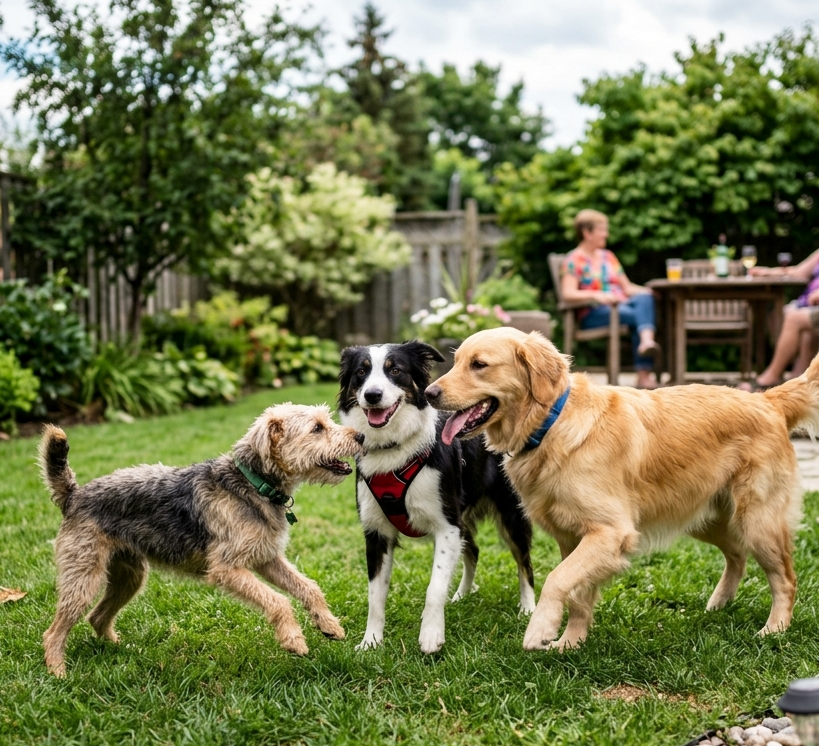
    Meeting other friendly dogs can help your pet develop appropriate social skills. Arrange playdates with well-behaved dogs or visit dog-friendly parks during quieter hours.

    Pay attention to body language during interactions. Relaxed posture, wagging tails, and playful behavior are signs that the dogs are comfortable. If either dog appears stressed or overwhelmed, give them space and try again later.

    Explore Different Environments

    Take your dog to a variety of safe locations, such as parks, pet-friendly stores, walking trails, and outdoor cafes. Exposure to different environments helps dogs become more adaptable and confident.

    Each outing introduces new sights, sounds, and smells that stimulate your dog's mind and provide valuable learning experiences.

    Use Positive Reinforcement

    Reward-based training is one of the most effective ways to encourage positive social behavior. Whenever your dog responds calmly to a new experience, offer praise, affection, or a favorite treat.

    Positive reinforcement helps your dog associate new situations with pleasant outcomes, making them more likely to remain confident in the future.

    Introduce Everyday Sounds

    Many dogs become anxious around unfamiliar noises. Gradually expose your pet to common sounds such as vacuum cleaners, doorbells, traffic, and thunderstorms at a comfortable volume.

    Pairing these sounds with treats and positive experiences can help reduce fear and build resilience over time.

    Respect Your Dog's Limits

    Every dog has a unique personality. Some are naturally outgoing, while others are more cautious. Pay close attention to signs of stress, including excessive panting, trembling, tucked tails, or attempts to hide.

    If your dog seems overwhelmed, take a break and allow them time to relax. Socialization should build confidence, not create fear.

    Make Socialization a Lifelong Habit

    Socialization isn't something that ends after puppyhood. Regular exposure to new experiences helps keep your dog mentally stimulated and emotionally balanced throughout their life.

    Continue introducing your dog to new people, places, and activities while maintaining positive experiences. Consistency will help reinforce their confidence and adaptability.

    Final Thoughts

    Socialization plays a crucial role in raising a happy, confident, and well-behaved dog. By introducing your pet to new experiences gradually and positively, you can help them feel comfortable in a variety of situations. Remember that patience, encouragement, and consistency are key. With the right approach, your dog can develop the skills needed to thrive as a beloved member of the family.

    A well-socialized dog is not only happier but also enjoys a stronger bond with their owner, making every adventure together even more rewarding.