



Pet Toys & Supplies
  • Paws Up for Playtime! Discover Toys That Keep Tails Wagging.
  • Shop all Toys

  • Caring for Your Pet, Simplified – Quality Supplies for Every Pet Parent!
  • Shop all Pet Supplies

  • The Benefits of Routine Grooming for Your Dog's Health

    The Benefits of Routine Grooming for Your Dog's Health

    When people think about grooming their dog, they often picture a clean, fluffy coat or a fresh scent. While a well groomed dog certainly looks great, regular grooming is much more than a cosmetic routine. It is an important part of maintaining your dog's overall health, comfort, and happiness.

    Whether your dog has short, long, curly, or double coated fur, consistent grooming helps prevent health problems, allows you to spot concerns early, and strengthens the bond between you and your pet.

    Promotes Healthy Skin and Coat

    A healthy coat starts with healthy skin. Brushing your dog on a regular basis helps distribute natural oils throughout the coat, keeping the fur soft and shiny while preventing dryness.

    Brushing also removes loose hair, dirt, and debris that can build up over time. This is especially important during seasonal shedding when dogs naturally lose more fur.

    For dogs with longer or thicker coats, routine brushing helps prevent mats and tangles. Matted fur can pull on the skin, cause discomfort, trap moisture, and increase the risk of skin infections.

    Helps Detect Health Problems Early

    One of the greatest benefits of grooming is the opportunity to examine your dog's body closely.

    During grooming, you may notice changes that would otherwise go unnoticed, including:

    • Lumps or bumps

    • Cuts or scrapes

    • Skin irritation or redness

    • Fleas or ticks

    • Hot spots

    • Ear infections

    • Changes in the condition of the coat

    Finding these issues early allows you to seek veterinary care before a minor concern develops into a more serious problem.

    Supports Good Ear Health

    Many dogs are prone to ear problems, especially breeds with floppy ears or those that swim frequently.

    Regular ear checks help identify excess wax, unpleasant odors, redness, or discharge that may indicate an infection. Keeping the ears clean according to your veterinarian's recommendations can reduce the risk of painful ear conditions.

    Maintains Healthy Nails

    Long nails do more than create clicking sounds on hard floors. Overgrown nails can change the way a dog walks, placing extra stress on joints, muscles, and ligaments.

    Keeping your dog's nails trimmed helps them move comfortably and reduces the risk of painful nail breaks or tears.

    If you hear your dog's nails constantly tapping on the floor, it may be time for a trim.

    Improves Dental Health

    Oral care is often overlooked, but it is an essential part of grooming.

    Regular tooth brushing helps remove plaque before it hardens into tartar. Good dental hygiene reduces the risk of gum disease, bad breath, tooth loss, and bacteria entering the bloodstream, which may affect other organs over time.

    Providing dental chews and scheduling professional cleanings when recommended by your veterinarian can also support your dog's oral health.

    Reduces Shedding Around the Home

    Routine brushing removes loose fur before it ends up on your furniture, clothing, and floors.

    Although shedding cannot be completely eliminated, regular grooming can significantly reduce the amount of hair your dog leaves behind while also keeping their coat healthier.

    Keeps Your Dog Comfortable

    Dogs can become uncomfortable when dirt, debris, and loose fur accumulate in their coats.

    Regular bathing with a dog friendly shampoo removes dirt, allergens, and odors while helping your dog feel fresh and comfortable. Bathing should be done according to your dog's coat type and lifestyle, since bathing too frequently may dry out the skin.

    Strengthens the Bond Between You and Your Dog

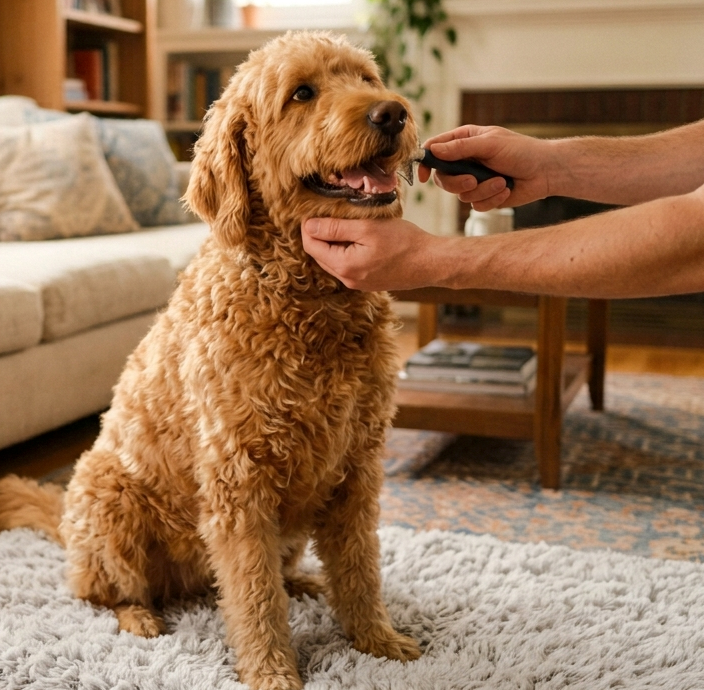
    Grooming provides valuable one on one time with your dog. Gentle brushing, handling their paws, checking their ears, and speaking calmly during grooming sessions helps build trust.

    Dogs that become accustomed to regular grooming are often more relaxed during veterinary visits and professional grooming appointments because they are familiar with being handled.

    Supports Overall Well Being

    Routine grooming contributes to your dog's physical and emotional health. A clean coat, healthy skin, trimmed nails, and good oral hygiene all work together to help your dog stay active, comfortable, and confident.

    Creating a consistent grooming routine also helps owners stay connected to their dog's changing health needs throughout every stage of life.

    Final Thoughts

    Routine grooming is one of the simplest and most effective ways to care for your dog. It goes far beyond appearance by supporting healthy skin, ears, teeth, nails, and overall well being while helping you detect potential health concerns early.

    Whether you groom your dog at home or visit a professional groomer, making grooming a regular part of your dog's care routine can lead to a healthier, happier companion for years to come.