

Pet Toys & Supplies
  • Paws Up for Playtime! Discover Toys That Keep Tails Wagging.
  • Shop all Toys

  • Caring for Your Pet, Simplified – Quality Supplies for Every Pet Parent!
  • Shop all Pet Supplies

  • Things to Avoid During Puppy Training

    Things to Avoid During Puppy Training

    Puppy training is an exciting part of bringing a new dog into your family. It is also a time when puppies are learning how to understand the world around them and what is expected of them.

    Training does not have to be complicated. In fact, keeping things positive, consistent, and age appropriate can make learning much easier for both you and your puppy. At the same time, there are several common mistakes that can make training more difficult.

    Here are some things to avoid when training your puppy.

    Avoid Expecting Too Much Too Soon

    Puppies are still developing their attention span, coordination, and ability to control their impulses. Expecting a young puppy to behave like an adult dog can lead to frustration for everyone.

    Keep training sessions short and enjoyable. Focus on one skill at a time and gradually increase the difficulty as your puppy becomes more confident.

    Avoid Repeating Commands Over and Over

    If you ask your puppy to sit several times before they respond, they may learn that the command does not need to be followed immediately.

    Instead, give the command once and give your puppy a moment to respond. If they do not understand what you are asking, help them by using a reward or changing your approach.

    Avoid Punishing Mistakes

    Puppies will have accidents, chew things they should not chew, jump up, and occasionally ignore a command. These behaviors are part of learning.

    Punishment can create fear and confusion rather than teaching your puppy what you want them to do. Instead, redirect unwanted behavior and reward the behavior you want to see.

    Avoid Inconsistent Rules

    Puppies learn through repetition. If jumping on the sofa is allowed one day but not the next, your puppy may have difficulty understanding the rule.

    Everyone in the household should try to follow the same basic training rules. Consistency helps your puppy understand what is expected and makes learning much easier.

    Avoid Training for Too Long

    Puppies can become tired or distracted quickly. A long training session can turn into a frustrating experience once your puppy loses interest.

    Several short sessions throughout the day are often more effective than one lengthy session. Finish while your puppy is still engaged and enjoying the activity.

    Avoid Using Rewards at the Wrong Time

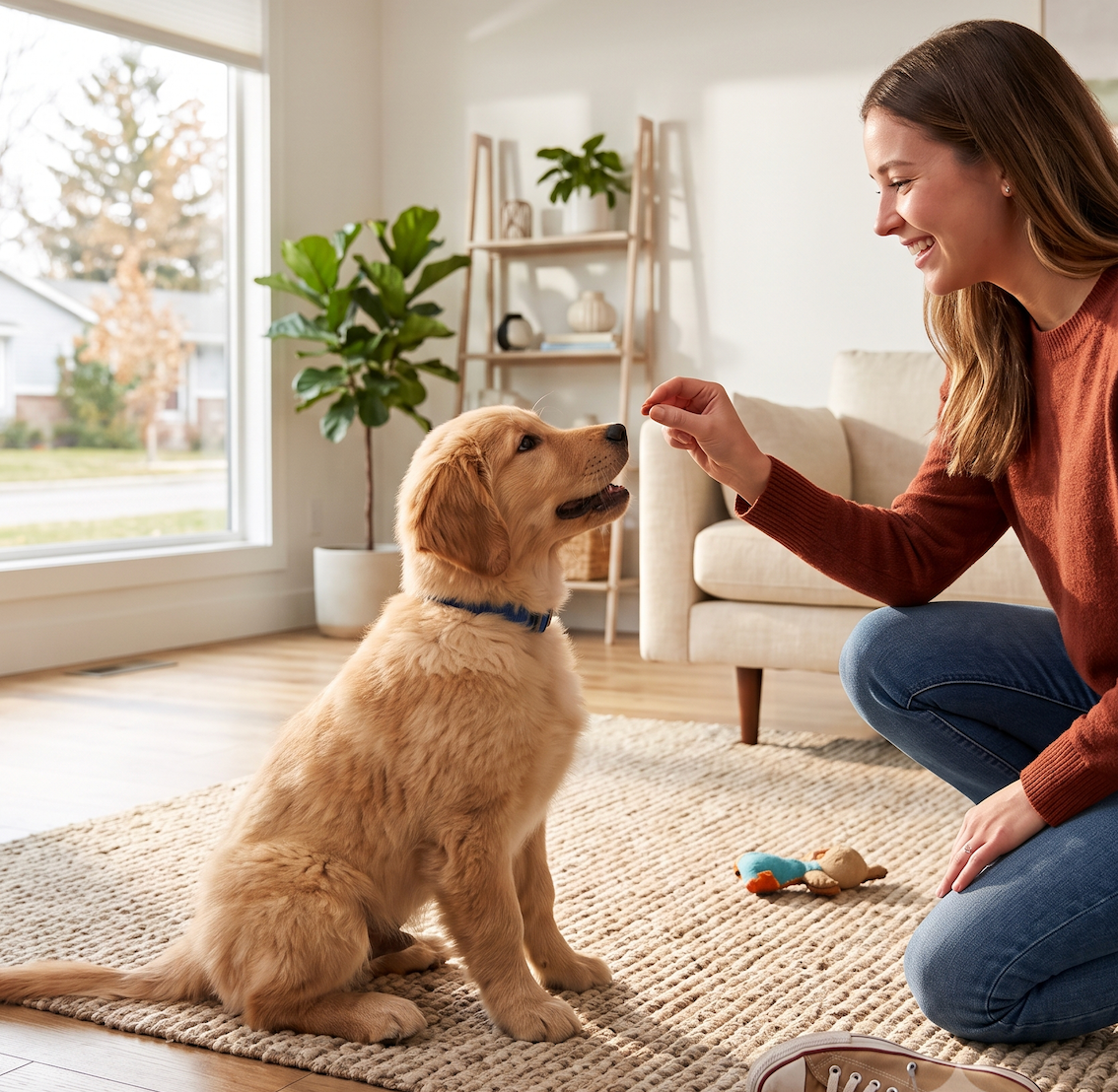
    Rewards are most effective when they are given immediately after the desired behavior. This helps your puppy connect the behavior with the positive outcome.

    For example, if you are teaching your puppy to sit, give the reward as soon as their bottom reaches the floor. Waiting too long can make it unclear which behavior earned the reward.

    Avoid Overwhelming Your Puppy

    Puppies need time to become comfortable with new people, places, sounds, and experiences. Introducing too many unfamiliar things at once can be overwhelming.

    Give your puppy opportunities to explore new experiences gradually. Watch their body language and allow them to take breaks when they need them.

    Avoid Ignoring Good Behavior

    Training is not only about correcting unwanted behavior. Puppies also need to learn which behaviors are desirable.

    If your puppy quietly settles beside you, waits patiently, comes when called, or chooses an appropriate toy, acknowledge it. Praise and rewards can encourage your puppy to repeat these behaviors.

    Avoid Giving Your Puppy Too Much Freedom

    Young puppies are naturally curious and may investigate almost everything within reach. Giving them unrestricted access to the entire house can make it difficult to prevent unwanted chewing, accidents, or other behaviors.

    A puppy safe area can give your puppy a comfortable place to learn while allowing you to supervise them more easily. As their training progresses, you can gradually give them more freedom.

    Avoid Comparing Your Puppy to Other Dogs

    Every puppy develops at their own pace. One puppy may learn to sit quickly while another may need more time. Some puppies are naturally confident, while others need additional encouragement when experiencing something new.

    Focus on your own puppy's progress rather than comparing them with another dog. Small improvements are still important steps forward.

    Make Training a Positive Experience

    The goal of puppy training is not simply to teach commands. It is also an opportunity to build trust and communication between you and your dog.

    Keep sessions positive, be patient when your puppy makes mistakes, and celebrate their progress. With consistency and plenty of encouragement, your puppy can develop good habits while learning that training is an enjoyable part of everyday life.

    A little patience during puppyhood can go a long way toward helping your dog become a confident, well mannered, and happy companion.